

Sinoright Blog
Acrylic Acid (AA) - High-Activity Chemical Intermediate
Acrylic Acid (abbreviated as AA), chemical name Prop-2-enoic acid, CAS No. 79-10-7, EC No. 201-177-9, molecular formula C₃H₄O₂, is a highly reactive unsaturated organic acid. As a key intermediate in the petrochemical and fine chemical industries, it is widely used in various industrial fields around the world. Relying on mature production processes and strict quality control systems, we provide global customers with high-purity, stable and reliable acrylic acid products to help various industries develop in a high-end and green direction.
Physical Properties
Appearance and state: Colorless and transparent liquid under 20℃ and 1013hPa, with a pungent and acrid odor, volatile, and will crystallize and solidify in low-temperature environments (below 13℃), which can be restored to liquid state after heating, facilitating storage and transportation operations.
Density: 1.05g/cm³ at 20℃, close to the density of water, miscible with water, ethanol, ether and most other organic solvents in any proportion, water solubility is about 1kg/L (25℃), with excellent solubility.
Boiling point and freezing point: Boiling point is 141℃ under normal pressure, freezing point is 13℃, vapor pressure is 5.29hPa (25℃), moderate volatility, convenient for distillation and purification in subsequent processes.
Other key parameters: Molecular weight is 72.1g/mol, refractive index (20℃) is 1.4224, viscosity is 1.156CPS, flash point is 48.5℃ (1013hPa), which is a flammable liquid, and the storage environment temperature must be strictly controlled.
Chemical Properties
High reactivity: Carbon-carbon double bonds are prone to addition reactions and polymerization reactions, and carboxyl groups can undergo esterification, neutralization, amidation and other reactions. It can copolymerize with various monomers such as acrylates, methacrylates, styrene, vinyl acetate to produce polymers with diverse properties.
Polymerization characteristics: It is prone to spontaneous polymerization without inhibitors. Therefore, 200±20ppm MEHQ is usually added as a polymerization inhibitor in the product to prevent polymerization and deterioration during storage and transportation, ensuring product stability.
Acidic characteristics: pKa value is 4.3 (25℃), with medium strength acidity, which can react with bases to form corresponding acrylates, and react with alcohols to form acrylic esters, which is an important reaction basis for preparing various derivatives.
Stability: Under normal temperature, sealed and dark conditions, it can be stored stably after adding inhibitors. Avoid contact with oxidants, strong bases and heavy metal ions to prevent decomposition or polymerization reactions.
Main Application Fields
As an important chemical intermediate, acrylic acid is widely used in various fields such as coatings, adhesives, superabsorbent resins, textiles, water treatment, leather, etc. Its downstream derivatives are diverse, and it is an indispensable basic raw material in the modern chemical industry system. The specific applications are as follows:
Superabsorbent Polymer (SAP) Field
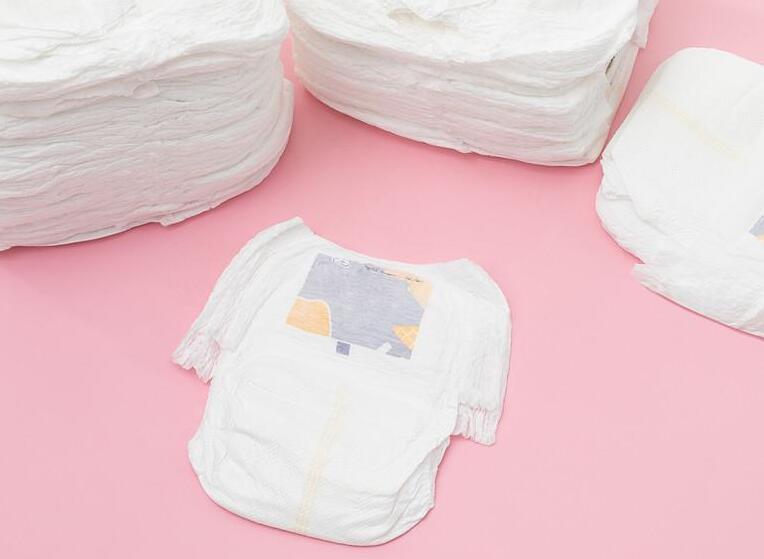
Superabsorbent polymer is the most important application field of acrylic acid, accounting for about 48% of its total consumption. It is mainly used in the production of disposable hygiene products such as baby diapers, adult incontinence products, and sanitary pads, and can also be used in fields such as agricultural water retention and horticultural irrigation. Acrylic acid forms polyacrylic acid resin through polymerization reaction. This resin has extremely strong water absorption capacity, can absorb hundreds or even thousands of times its own weight in water, and is not easy to lose after water absorption, with excellent water-locking performance. It is the core raw material of disposable hygiene products. With the aging of the population and consumption upgrading, the demand in this field maintains stable growth.
Coatings and Adhesives Field
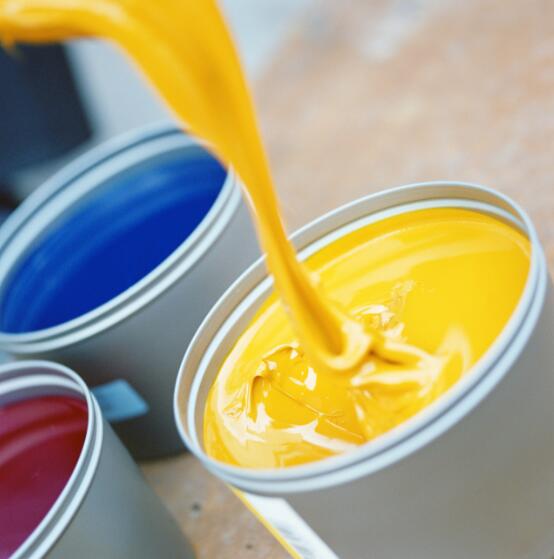
The coatings and adhesives field together account for about 35% of the total consumption of acrylic acid, making it the second largest application segment. Acrylic acid can be used to prepare water-based coatings, solvent-based coatings, powder coatings, etc. Its derivative acrylate is a key film-forming substance of water-based coatings, which has the advantages of strong adhesion, good weather resistance, environmental protection and no peculiar smell. It is widely used in building walls, automobile painting, furniture decoration, industrial equipment anti-corrosion and other scenarios. Under the background of stricter environmental protection policies, it is accelerating the replacement of traditional solvent-based coatings. In the field of adhesives, acrylic acid can prepare pressure-sensitive adhesives, structural adhesives, architectural adhesives, etc., which have the characteristics of high bonding strength, high temperature resistance and aging resistance, and are used for bonding needs in packaging, construction, electronics, automobile and other industries.
Textile and Leather Field
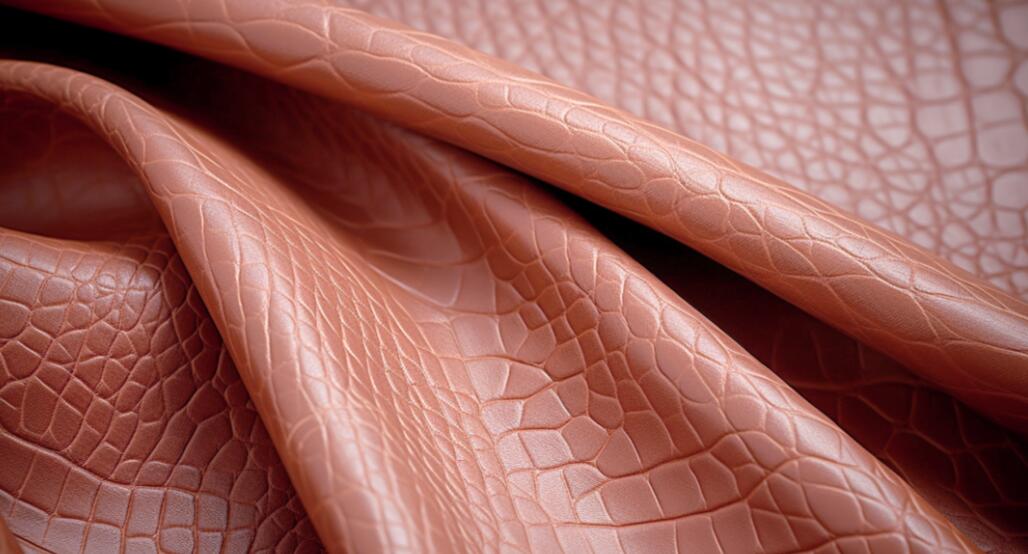
In the textile industry, acrylic acid and its derivatives can prepare textile auxiliaries, such as thickeners, fixing agents, softeners, etc., which can improve the hand feel, air permeability and color fastness of fabrics, and make fabrics have wrinkle resistance, antistatic, wear resistance and other properties, widely used in the finishing and processing of various fabrics such as cotton, linen and chemical fibers. In the leather field, acrylic acid can be used in the preparation of leather finishing agents, which can improve the gloss, softness and wear resistance of leather, especially suitable for the surface treatment of nubuck and suede leather, making the leather appearance more beautiful and longer service life.
Water Treatment and Other Fields
In the field of water treatment, acrylic acid polymers can be used as scale inhibitors, dispersants and flocculants, which can effectively remove calcium and magnesium ions in water, prevent scaling of pipelines and equipment, and at the same time adsorb suspended solids and pollutants in water to purify water quality, widely used in industrial circulating water, sewage treatment, drinking water purification and other scenarios. In addition, acrylic acid can also be used to prepare detergents, surfactants, plastics, fibers, inks and other products, and its applications in emerging fields such as medicine, electronics and new energy are constantly expanding, becoming an important raw material for promoting the development of high-end manufacturing industry.