Sinoright Blog
SODIUM FORMALDEHYDE SULFOXYLATE - High-Quality Industrial Re
1. Product Overview
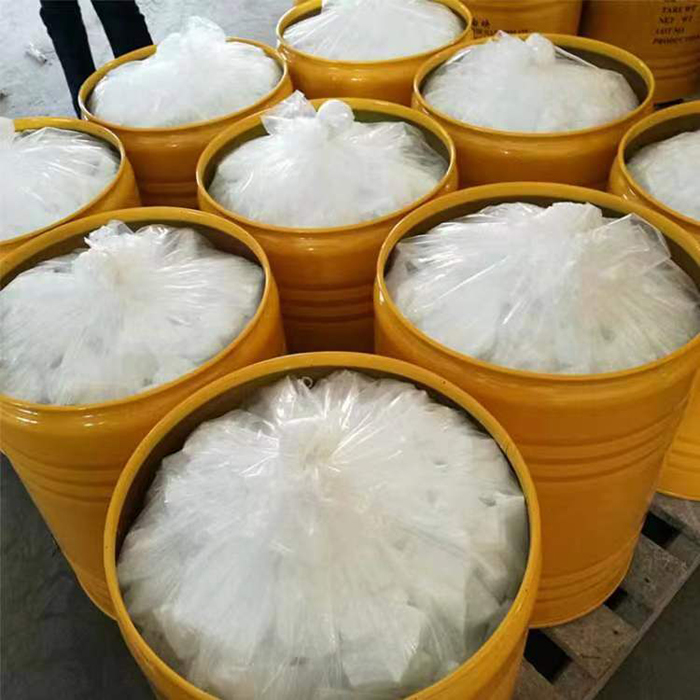
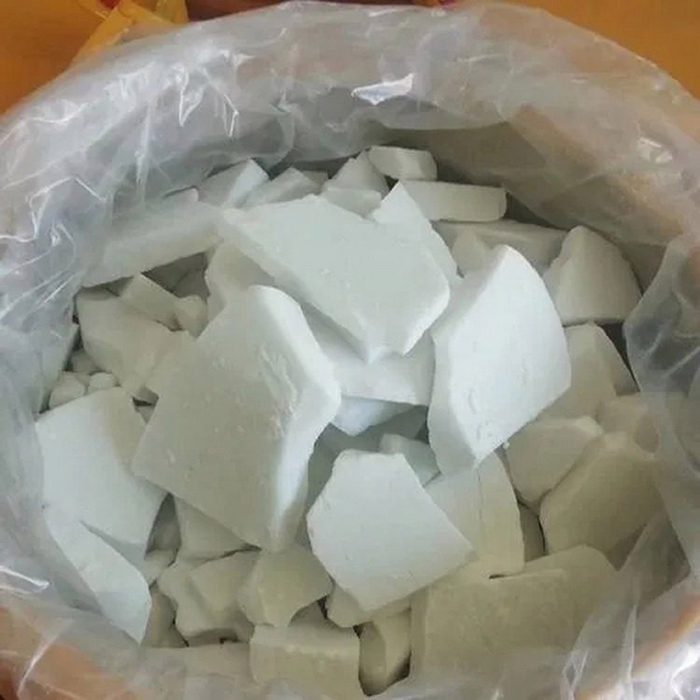
SODIUM FORMALDEHYDE SULFOXYLATE, commonly known as Rongalite, is a versatile inorganic compound with the CAS number 149-44-0, also named Sodium Hydroxymethanesulfinate in IUPAC terminology. As a high-performance reducing agent, it is widely recognized in industrial production for its excellent chemical reactivity and stability under specific conditions. Our SODIUM FORMALDEHYDE SULFOXYLATE is produced through advanced synthesis technology, with a purity of up to 98% (dry weight) and strict control of impurities, ensuring consistent performance and reliability in various application scenarios. It appears as a white crystalline powder or granular solid, odorless, and easily soluble in water, making it convenient for transportation, storage and use. As a core product in the field of industrial chemicals, it is widely used in textile, printing and dyeing, paper making, food processing and other industries, and has become an indispensable auxiliary agent in modern industrial production.
2. Product Characteristics
- Excellent Reducing Property: SODIUM FORMALDEHYDE SULFOXYLATE has strong reducibility, which can effectively reduce various oxidizing substances (such as chlorine, peroxides) without producing harmful by-products, and is widely used in dechlorination, bleaching and reduction reactions. Its reducing activity is stable, and it can maintain good performance in a certain temperature and pH range, which is superior to many traditional reducing agents.
- High Purity and Stability: The product is refined through multi-step purification process, with impurity content lower than 2%, no harmful heavy metals (heavy metal content ≤1ppm) and other harmful substances, in line with international industrial standards. In dry and sealed storage conditions, it has good stability, not easy to absorb moisture, decompose or deteriorate, and the shelf life can reach 12 months.
- Good Solubility and Compatibility: It is easily soluble in water, and the aqueous solution is weakly alkaline, which can be quickly dissolved at room temperature without agglomeration; it has good compatibility with most inorganic salts, organic compounds and auxiliaries, and does not produce precipitation or side reactions when mixed, which is convenient for compound use in various production processes.
- Environmentally Friendly and Low Toxicity: Compared with other reducing agents (such as sodium sulfite), SODIUM FORMALDEHYDE SULFOXYLATE has lower toxicity, and its decomposition products are non-toxic and easy to degrade, which will not cause serious pollution to the environment when used in accordance with the specifications. It meets the requirements of green and environmental protection production, and conforms to the global industrial environmental protection development trend.
- Cost-Effective: With high activity, a small amount of addition can achieve the ideal effect, which can effectively reduce the production cost of enterprises; the production process is mature, the supply is stable, and the price is competitive, which is suitable for large-scale industrial application.
3. Application Fields
3.1 Textile and Dyeing Industry
As a key auxiliary agent in the textile and dyeing industry, SODIUM FORMALDEHYDE SULFOXYLATE is mainly used for dechlorination after bleaching of cotton, linen, chemical fiber and other fabrics, which can quickly remove the residual chlorine on the fabric surface, avoid fabric yellowing, brittleness and other problems caused by residual chlorine, and protect the fabric fiber quality. At the same time, it can be used as a reducing agent in the dyeing process of vat dyes and sulfur dyes, promoting the reduction of dyes and improving the dyeing uniformity and color fastness. It is also widely used in the printing process to remove excess dyes and improve the clarity and brightness of printed patterns.
3.2 Paper Making Industry
In the paper making industry, SODIUM FORMALDEHYDE SULFOXYLATE is used for dechlorination and bleaching of pulp, which can effectively remove the residual chlorine in the pulp bleaching process, improve the whiteness and purity of the pulp, and reduce the damage of residual chlorine to the pulp fiber. It can also be used as a decolorizing agent for waste paper recycling, helping to remove the colorants in waste paper and improve the quality of recycled pulp. In addition, it can inhibit the oxidation of pulp during storage, prolong the storage time of pulp and ensure the stability of paper quality.
3.3 Food Processing Industry
As a food-grade reducing agent and preservative, SODIUM FORMALDEHYDE SULFOXYLATE is used in the processing of fruits, vegetables, seafood and other products, which can inhibit the oxidation and browning of food, maintain the fresh color and taste of food, and extend the shelf life of food. It is also used in the production of starch, sugar and other products to remove impurities and improve product purity. It should be noted that the use of food-grade SODIUM FORMALDEHYDE SULFOXYLATE must comply with national food safety standards and strictly control the addition amount.
3.4 Water Treatment Industry
In water treatment, SODIUM FORMALDEHYDE SULFOXYLATE is an efficient dechlorinating agent, which can quickly react with residual chlorine in tap water, swimming pool water and industrial wastewater to convert toxic chlorine into harmless chloride ions, ensuring water safety and quality. It is also used in aquaculture water treatment to remove residual chlorine in water, protect aquatic organisms from chlorine damage, and maintain the ecological balance of aquaculture water. In addition, it can be used to treat industrial wastewater containing heavy metals, forming stable complexes with heavy metal ions to facilitate the precipitation and removal of heavy metals.
3.5 Other Fields
In the pharmaceutical industry, SODIUM FORMALDEHYDE SULFOXYLATE is used as an auxiliary agent in the synthesis of drugs, such as the production of antibiotics and vitamins, to improve the reaction efficiency and product purity. In the electroplating industry, it is used as a reducing agent and complexing agent to improve the brightness and uniformity of the plating layer. It is also used in photography, gold extraction, leather tanning and other fields: in photography, it is used as a fixing agent to dissolve unexposed silver halide and fix the image; in gold extraction, it is used as an environmentally friendly leaching agent to replace cyanide and extract gold from ores; in leather tanning, it is used to remove residual oxidants and improve the softness of leather.
4. Precautions
4.1 Storage Precautions
- Store in a cool, dry, well-ventilated warehouse, avoid direct sunlight and high temperature (storage temperature should be controlled between 0-30℃), and keep away from fire and heat sources, because the product will decompose when heated to 46-50℃, producing harmful gases such as sulfur dioxide and hydrogen sulfide.
- The package should be sealed tightly to prevent moisture absorption, deliquescence and contact with air, which may cause decomposition and reduce product performance. It should be stored separately from strong acids, strong oxidants (such as halogens, nitrates) and other incompatible substances to avoid violent reactions and safety hazards.
- It should be stored separately from food, medicine and other items to avoid contamination. The warehouse should be equipped with corresponding fire-fighting equipment and emergency treatment materials.
4.2 Handling Precautions
- Operators should wear professional protective equipment, including protective masks, gloves, goggles and work clothes, to avoid direct contact with the product, because it may cause skin and eye irritation.
- During operation, avoid dust generation and inhalation. If dust is generated, it should be treated with local exhaust ventilation to reduce dust concentration in the air. Smoking, eating and drinking are prohibited in the operation area to prevent the product from entering the human body through the mouth or respiratory tract.
- When adding the product to the reaction system, it should be added slowly and evenly, and stirred continuously to avoid local excessive concentration, which may cause violent reaction and splashing. It should not be mixed with strong acids directly, so as to avoid the generation of toxic sulfur dioxide gas.
4.3 Emergency Treatment
- Skin contact: Immediately rinse with plenty of clean water for 15-20 minutes, then wash with soap. If irritation persists, seek medical attention immediately.
- Eye contact: Immediately rinse the eyes with plenty of flowing water for 15-20 minutes, keep the eyes open during rinsing, and seek medical attention immediately if discomfort such as redness and swelling occurs.
- Inhalation: Immediately move the patient to a well-ventilated place, keep the respiratory tract unobstructed, and seek medical attention if symptoms such as chest tightness and difficulty breathing occur.
- Ingestion: Rinse the mouth with water immediately, do not induce vomiting, and seek medical attention immediately with the product package or label.
4.4 Transportation Precautions
- During transportation, the package should be intact and free from damage, leakage or moisture. It should be transported separately from strong acids, oxidants, food and other items, and mixed transportation is strictly prohibited.
- Transport vehicles should be clean, dry and well-ventilated, avoid exposure to sunlight, rain and high temperature, and drive stably to avoid collision and friction, which may cause package damage.
- The transportation process should comply with the relevant regulations of national dangerous goods transportation, and the transport personnel should be familiar with the safety performance of the product and the emergency treatment methods.