

Sinoright Blog
Industrial Grade Acrylic & Acrylic Acid Raw Materials |
Industrial grade acrylic acid is a core fundamental bulk chemical monomer in the global fine chemical industry. All acrylic downstream derivatives, including acrylic resin, acrylic coatings, adhesives, sealants, SAP polymers and modified acrylic industrial materials, are polymerized and modified based on high-purity acrylic acid. With excellent polymerization activity, stable chemical inertia, strong film-forming property and environmental adaptability, acrylic acid serves as an indispensable raw material for construction engineering, industrial manufacturing, environmental protection treatment, automotive supporting, medical industry and textile finishing.
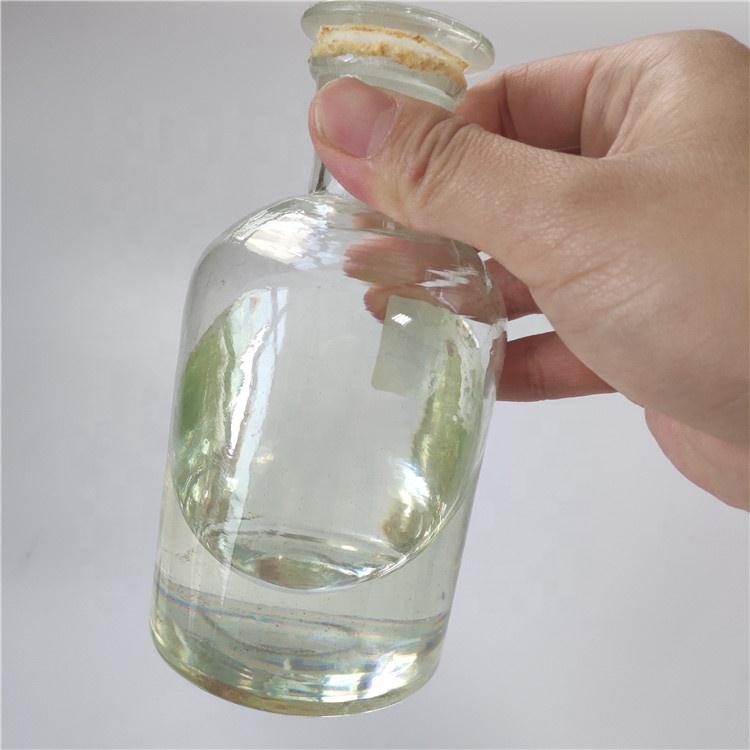
Acrylic Acid Polymerization Principle & Basic Industrial Properties
High-purity industrial acrylic acid has active unsaturated double bond structure, which can realize free radical polymerization, copolymerization and cross-linking reaction under industrial initiation conditions. It can be processed into different functional polymer materials through formula adjustment, which determines the diversified industrial application value of acrylic acid. Its core industrial advantages include stable molecular structure, excellent weather resistance, high bonding activity, adjustable water absorption and film-forming toughness, making it the base monomer for thousands of acrylic industrial products.
Core Industrial Classification of Acrylic Acid Derivatives (Top Google Search)
According to industrial polymerization and modification directions, acrylic acid is mainly derived into five major industrial categories: water-absorbing polymer materials, industrial coating resins, adhesive & sealant emulsions, textile finishing agents and water treatment polymer additives. Each derivative corresponds to independent vertical industrial scenarios, covering global high-demand chemical application fields.
Acrylic Acid Application in Industrial Coatings & Anti-Corrosion Engineering
Acrylic acid is the core synthetic monomer of all industrial acrylic coatings. By copolymerizing acrylic acid with ester monomers, high-performance acrylic resin base materials can be produced, which are further processed into weather-resistant architectural coatings, metal anti-corrosion coatings, marine salt-spray resistant coatings and low-VOC environmental protection coatings. This is one of the most searched industrial application scenarios of acrylic acid on Google.
Architectural Interior & Exterior Wall Coating Application: Polymerized acrylic acid resin has outstanding film-forming toughness and UV resistance. Industrial acrylic latex coatings synthesized from acrylic acid monomers feature mildew resistance, washability and aging resistance, suitable for long-term decoration and protection of commercial buildings, industrial plants and municipal facilities. The coating forms a dense protective film after curing, effectively resisting rain erosion and ultraviolet aging.
Low-VOC Environmental Protection Coating Application: Modified polymerization of acrylic acid can produce low-odor, non-toxic environmental acrylic resin materials, which comply with EU REACH environmental standards. The derived low-VOC acrylic coatings are widely used in food processing factories, closed industrial workshops and high-standard commercial indoor environments, meeting global industrial environmental protection upgrading requirements.
Marine & Industrial Metal Anti-Corrosion Application: Through acrylic acid cross-linking modification, high-density anti-corrosion resin can be synthesized. The processed acrylic anti-corrosion coatings have excellent salt spray resistance and oxidation resistance, which can form a stable protective layer on the surface of marine equipment, industrial pipelines, metal guardrails and mechanical shells, effectively solving metal corrosion problems in high-humidity and coastal industrial environments.
Core Application of Acrylic Acid in Super Absorbent Polymer (SAP) Industry
The polymerization of high-purity acrylic acid is the mainstream industrial production process of SAP super absorbent polymer, and the SAP industry occupies the largest consumption share of global acrylic acid downstream applications. This track maintains high search and procurement volume on Google all year round, focusing on acrylic acid monomer purity, polymerization stability and water absorption performance standards.
Daily Chemical Hygiene Industry Application: Acrylic acid is polymerized into high-molecular SAP materials with super water absorption capacity, which can absorb 80–100 times of its own weight of liquid. It is widely used in disposable hygiene products such as baby diapers, adult incontinence products and feminine sanitary products, with stable water locking performance and no liquid reverse osmosis.
Agricultural Environmental Protection Application: Acrylic acid-based SAP polymer can be used as agricultural water-retaining and soil-conditioning agent, which can lock soil moisture, reduce irrigation frequency and improve crop survival rate, widely applied in dryland agriculture and ecological greening projects.
Acrylic Acid Application in Industrial Adhesive & Sealant Industry
Acrylic acid and its ester copolymer emulsions are core raw materials for industrial adhesives and sealants. By adjusting acrylic acid polymerization formula, different adhesive products with pressure sensitivity, structural strength and UV curing characteristics can be produced, serving industrial bonding, sealing and waterproofing scenarios.
Industrial Pressure-Sensitive Adhesive: Synthesized from acrylic acid copolymer, it is used for industrial double-sided tapes, packaging label adhesives and film composite bonding, featuring strong adhesion and weather resistance. Structural Sealant & Caulking Sealant: Modified acrylic acid polymer materials are applied to building curtain wall structural bonding and industrial gap waterproof sealing, with 20+ years of anti-aging service life and excellent mildew-proof performance in wet environments. UV-Curable Acrylic Adhesive: High-purity acrylic acid modified resin realizes rapid curing under ultraviolet light, suitable for precision bonding of electronic components, with high transparency and zero shrinkage.
Industrial Application of Acrylic Acid in Textile & Water Treatment Industry
Textile Finishing Industry Application: Acrylic acid ester emulsion polymerized from acrylic acid is a key textile chemical auxiliary, used as sizing agent, printing thickener and soft finishing agent. It effectively improves fabric tensile strength, prevents printing pattern diffusion, and endows textiles with wrinkle resistance and soft hand feel, widely adopted by global textile printing and dyeing enterprises.
Industrial Water Treatment Application: Polyacrylic acid polymer formed by acrylic acid polymerization is a high-efficiency dispersant and scale inhibitor. It can effectively inhibit calcium and magnesium scale precipitation in industrial circulating cooling water systems, and disperse ceramic powder and pigment particles, widely used in industrial water treatment, ceramic manufacturing and pigment processing industries.
High-End Cross-Industry Industrial Application of Modified Acrylic Acid Materials
Through professional modification and copolymerization of acrylic acid monomers, high-performance special polymer materials can be produced, covering automotive industry, medical industry and municipal engineering high-end supporting fields, which are hot industrial search topics on Google.
Automotive & Aerospace Industry: Modified acrylic acid resin materials have high temperature resistance, impact resistance and anti-UV performance, used for automotive exterior coating protection, transparent part bonding and aerospace component auxiliary materials, improving product weather resistance and service life.
Medical-Grade Industrial Application: Purified and low-residual acrylic acid monomers can synthesize medical-grade acrylic polymer materials, which meet international biocompatibility standards, applied to medical equipment accessories, dental resin raw materials and medical protective components, featuring non-toxic and disinfection-resistant properties.
Municipal Engineering Application: High weather-resistant acrylic acid modified materials are used for municipal facility surface protection, traffic facility anti-corrosion coating and landscape engineering protection, adapting to long-term outdoor complex environmental conditions.
Municipal Engineering Acrylic Facilities: In addition to road noise barrier panels, industrial acrylic is also used for municipal landscape lighting facilities, traffic signal transparent shields and bridge daylighting decoration components. The core search demands are UV resistance, impact resistance and outdoor long-term stability standards.
Industrial Procurement High-Frequency FAQ for Acrylic Acid Application
Q1: What are the main industrial application fields of acrylic acid?
Industrial acrylic acid is mainly used for polymerization into SAP super absorbent polymers, industrial coating resins, adhesive sealant materials, textile finishing auxiliaries and water treatment polymer agents, covering daily chemical, construction, environmental protection, textile, medical and automotive industries.
Industrial acrylic acid is mainly used for polymerization into SAP super absorbent polymers, industrial coating resins, adhesive sealant materials, textile finishing auxiliaries and water treatment polymer agents, covering daily chemical, construction, environmental protection, textile, medical and automotive industries.
Q2: What performance advantages do acrylic acid derivatives have in industrial scenarios?
Acrylic acid polymer materials feature excellent weather resistance, stable chemical properties, strong film-forming and bonding capacity, adjustable water absorption and environmental friendliness, which can adapt to diversified complex industrial environments.
Acrylic acid polymer materials feature excellent weather resistance, stable chemical properties, strong film-forming and bonding capacity, adjustable water absorption and environmental friendliness, which can adapt to diversified complex industrial environments.
Q3: What is the difference in industrial applicability of different purity acrylic acid?
High-purity acrylic acid is suitable for SAP polymerization, medical-grade materials and high-end environmental protection coatings; industrial conventional purity acrylic acid is applicable for common architectural coatings, textile auxiliaries and water treatment agents, matching differentiated industrial procurement demands.
High-purity acrylic acid is suitable for SAP polymerization, medical-grade materials and high-end environmental protection coatings; industrial conventional purity acrylic acid is applicable for common architectural coatings, textile auxiliaries and water treatment agents, matching differentiated industrial procurement demands.
Q4: Are acrylic acid industrial products environmentally compliant?
Modified low-VOC acrylic acid polymer materials comply with EU REACH and global industrial environmental protection standards, with low volatile content and no harmful substances, suitable for closed industrial production and high-standard commercial engineering scenarios.
Modified low-VOC acrylic acid polymer materials comply with EU REACH and global industrial environmental protection standards, with low volatile content and no harmful substances, suitable for closed industrial production and high-standard commercial engineering scenarios.